
You don’t need to memorize every card before you begin. Understanding the deck’s basic structure, choosing a clear question, and starting with a simple spread can help you find your footing.
How Many Cards Are in a Tarot Deck?
A standard tarot deck contains 78 cards, divided into two groups: the Major Arcana and the Minor Arcana.
The 22 Major Arcana cards are associated with broader themes such as beginnings, change, choices, and completion. The Fool, the Magician, the Lovers, and the World belong to this group. In a reading, these cards can invite reflection on the larger themes surrounding a situation.
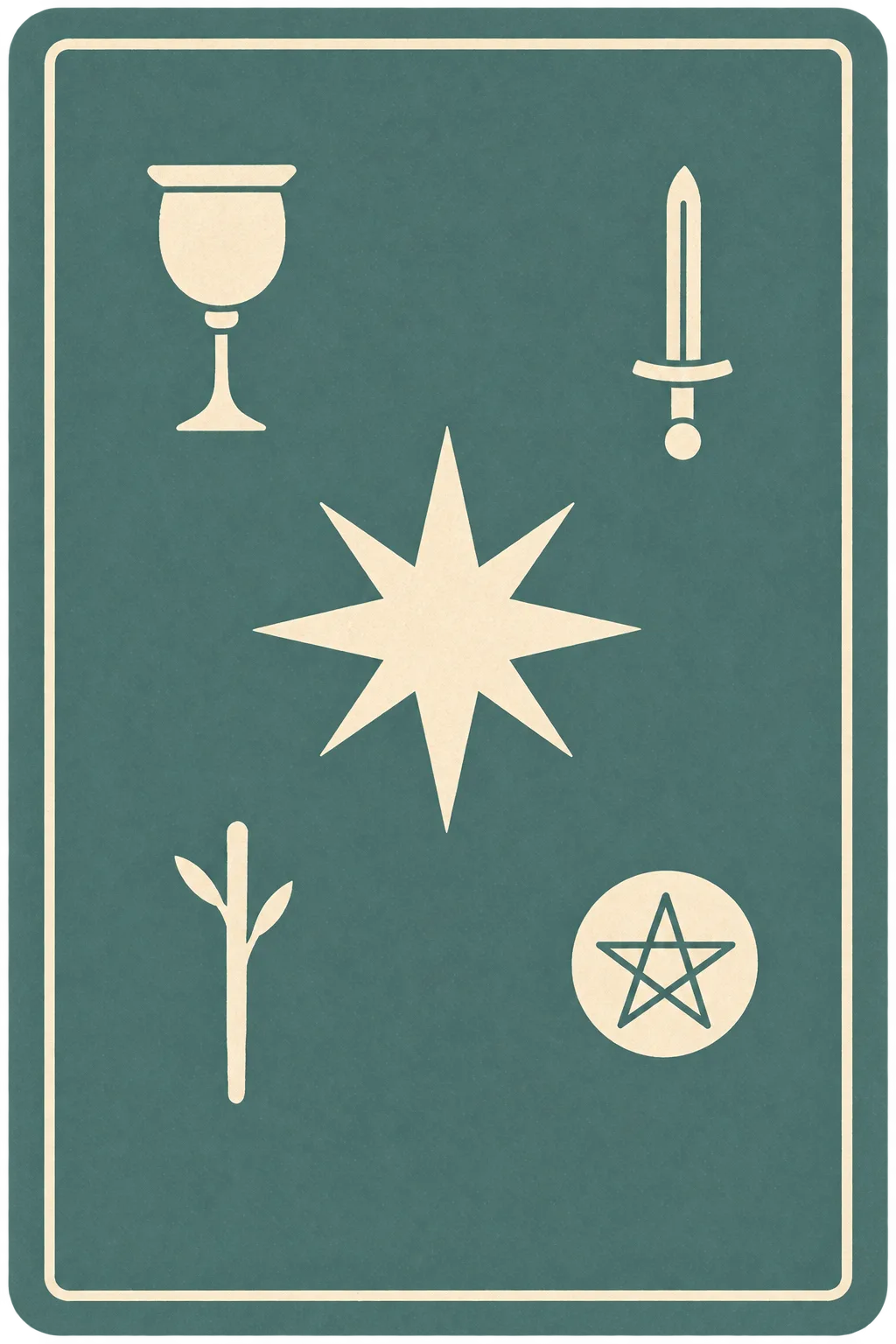
The 56 Minor Arcana cards are associated with everyday experiences. They are divided into four suits:
- Cups: Emotions, relationships, and connection.
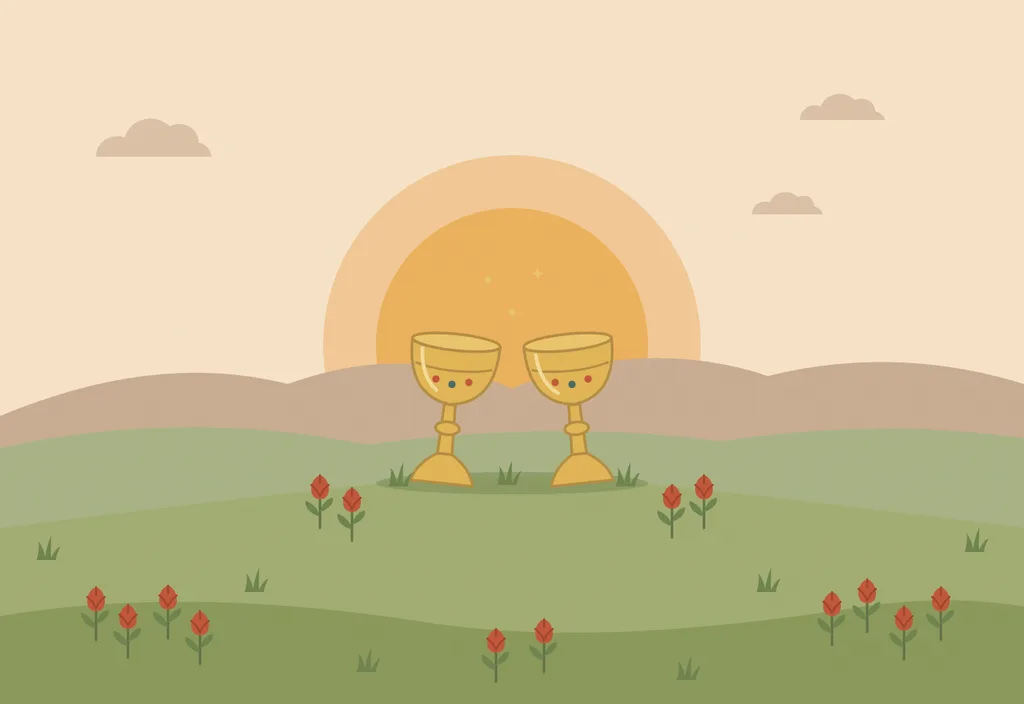
- Wands: Creativity, motivation, ambition, and action.
- Swords: Thoughts, communication, decisions, and conflict.
- Pentacles: Work, resources, practical matters, and daily life.
Each suit includes cards numbered Ace through Ten, plus four court cards: the Page, Knight, Queen, and King. Names and imagery may vary between decks.
How Are Tarot Cards Interpreted?
A tarot reading involves more than looking up a card’s meaning. The question, the card’s position, and the surrounding cards all contribute to its interpretation.
The Hermit, for example, is traditionally associated with introspection, solitude, and inner guidance. In a daily reading, it might invite you to make time for quiet reflection. In a relationship reading, it could prompt you to consider personal space or the need to understand your own feelings.
A card’s meaning is a starting point for interpretation. The same card can bring different aspects of a situation into focus depending on the context.
What Is a Tarot Spread?
A spread is an arrangement of cards in which each position has a particular meaning. Defining those positions before drawing your cards gives the reading a clear structure.
One-card and three-card spreads are approachable places to start. For a single card, you might ask, “What could I pay attention to today?”
For three cards, try these positions:
- My current situation.
- A perspective worth considering.
- A possible next step.
Read each card in relation to its position, then look for connections between them. Do the cards share a theme? Do they suggest different needs or tensions? Bringing those observations together helps you move beyond three separate definitions.
What Questions Can You Ask Tarot?
Open-ended questions about your own experiences are often useful starting points. They leave room to explore your feelings, choices, and responses.
For example:
- What am I finding difficult to express in this relationship?
- How could I approach this project differently?
- What might I be overlooking as I consider this decision?
- Where could I give myself more space today?
A focused question also makes a reading easier to follow. “What could help me prepare for this conversation?” gives you a clearer subject to explore than “What will my life be like?”
How Do You Start Learning Tarot?
Begin with a small number of cards. Notice the figures, colors, objects, and movement in each image before checking its traditional meaning. Write down your first impressions, then compare them with the deck’s guidebook.
Keeping a simple tarot journal can help you track your learning. Record your question, the cards you drew, and a few sentences about your interpretation. Over time, you may notice recurring themes and changes in how you understand the imagery.
Approach tarot as a symbolic practice that can support reflection, without treating a reading as certain knowledge of the future. You don’t need every answer to get started-just a thoughtful question and a willingness to look closely.